
TNL Applied Composites Manufacturing course begins February 2023
Hybrid, seven-session class helps participants learn the tricks of different composites manufacturing technologies from wet layup to pultrusion.


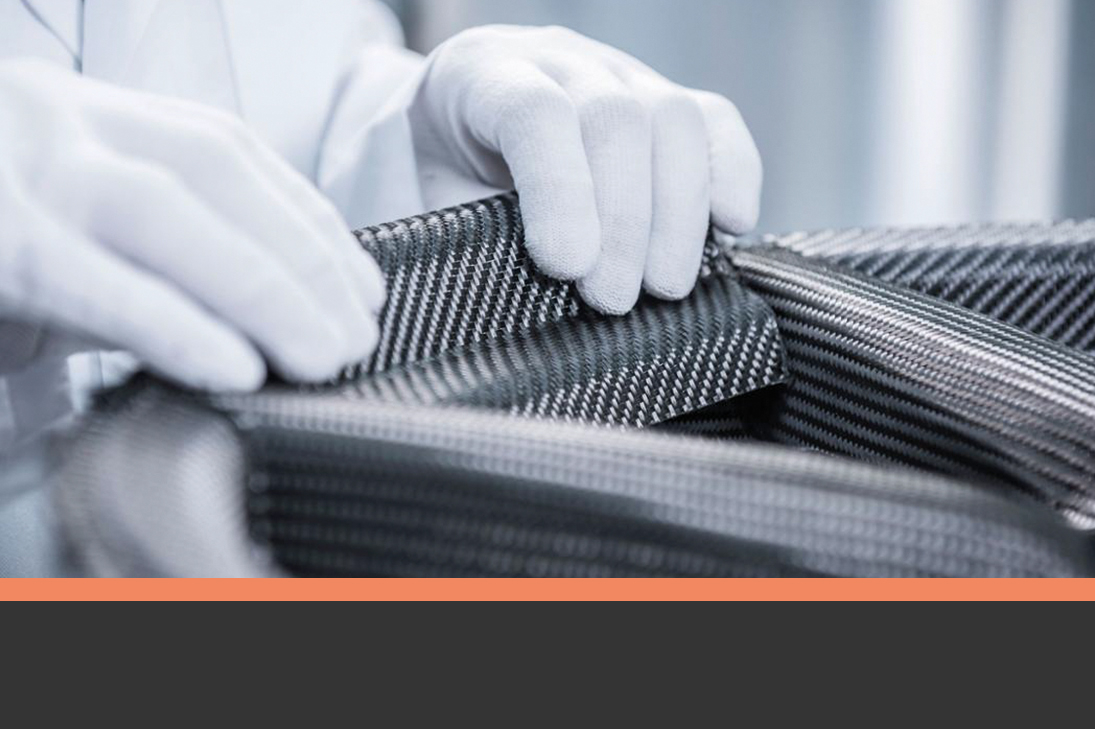
Photo Credit: The Native Lab
Starting Feb. 22, 2023, the first edition of The Native Lab’s (TNL, Madrid, Spain) Applied Composite Manufacturing course will be in full swing. After offering a general course on composite materials, the Managing Composites (Madrid) division is ready to help participants learn the tricks of different composites manufacturing technologies.
In order to deliver a high-quality course, TNL says it has picked some of Managing Composites’ best engineers to take the reins, namely Eneko Angulo, now COO and former engineer at Koenigsegg and McLaren as well as Alejandro Batan, now CPO and with previous experiences at Prodrive and McLaren Automotive.


The instructor-led course will be taught online and live to enable students to interact directly with the trainers. There will be a total of seven sessions, (outlined in more detail below) taking place on Wednesdays from 18:00 p.m. to 20:00 p.m. CET (12:00 p.m. to 2:00 p.m. EST). These will begin Feb. 22 and finish April 5th.
Sessions will include:
- Wet layup
- Prepreg
- Prepreg compression molding (PCM)
- Sheet molding compound (SMC)
- Resin infusion
- Resin transfer molding (RTM)
- Other processes like filament winding and pultrusion.
If students cannot participate live, they will have access to the live session recording. Access to all materials will be guaranteed for one year as well as a certificate of successful completion. The price of the course is €499 and is taught in English. More information can be found at this link.
Learn more about TNL’s other composite course opportunities, “The Native Lab launches composites course training membership plan.”
Related Content
-
IMDEA introduces digital twin for real-time analysis of composite materials production
Newly designed digital twin by IMDEA and Technical University of Madrid researchers enables manufacturers to see inside composite materials as they are being produced, facilitating early detection of faults.
-
Ceramic matrix composites: Faster, cheaper, higher temperature
New players proliferate, increasing CMC materials and manufacturing capacity, novel processes and automation to meet demand for higher part volumes and performance.
-
From the CW Archives: Fast-cure epoxies for automotive fabrication
Sara Black’s 2015 report on the development of snap-cure epoxies for automotive manufacturing still resonates today.


