
TRB Lightweight Structures, Toyota form JV for high-volume composite parts for EVs
The new venture has opened a U.S. location and will begin delivering composite battery enclosures to a Tier 1 supplier to the truck and bus industry this year.
.jpg;width=70;height=70;mode=crop;format=webp)


Source | TRB Lightweight Structures


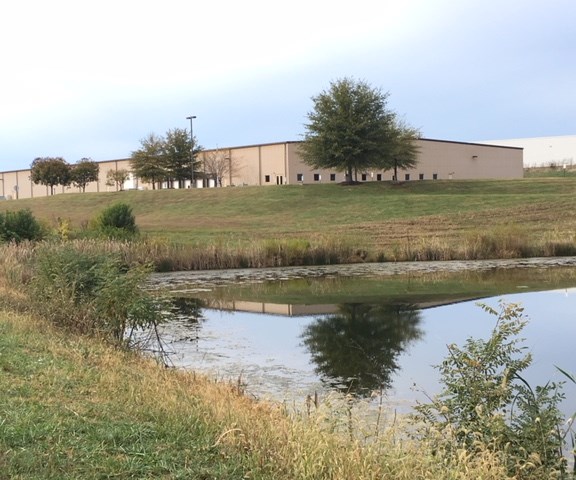
TRB Lightweight Structures (Huntingdon, U.K.) and Toyota Tsusho America (New York, N.Y., U.S.) have announced a joint venture to produce high-volume composite parts to serve the automotive industry in North America. The new venture has opened a location near Lexington, Kentucky and will begin delivering composite battery enclosures to a Tier 1 supplier to the truck and bus industry in April.
TRB is headquartered in the U.K. and brings decades of experience manufacturing lightweight solutions for transportation, including rail and aerospace, using both composites and aluminum. The new venture leverages TRB’s automated manufacturing techniques and Toyota Tsusho America’s global supply chain. The factory will utilize proprietary robotics and processing automation to unlock cost-effective composite part production.
“We’re striving to support our customers as they move to electrification,” says Mike Lavender, senior vice president of Toyota Tsusho America. “Working together with TRB allows us to offer new lightweight solutions to the market that improve performance.”
“We’re thrilled to collaborate with Toyota Tsusho America to bring our knowledge and innovation to U.S. automakers and their suppliers,” says Richard Holland, managing director of TRB Lightweight Structures. “We share key values with Toyota; a belief in the value of long-term relationships and a quality mindset.”
Related Content
-
Composites end markets: Pressure vessels (2024)
The market for pressure vessels used to store zero-emission fuels is rapidly growing, with ongoing developments and commercialization of Type 3, 4 and 5 tanks.
-
Midnight production aircraft completes full transition flight
This is Archer’s second full-scale eVTOL aircraft to achieve this milestone, critical to being able to carry commercially viable passenger payloads.
-
Joby conducts FAA testing, moves into final certification
Successful static loading testing of tail structure and Type Inspection Authorization by FAA pilots moves Joby closer to its 2025 targets.


