
NTPT and GMV-Richard Mille open new cleanroom facility
New laboratory facilities and cleanroom production area is dedicated to the manufacture of Quartz and other non-carbon fiber composite materials.

Source | NTPT
Source | NTPT


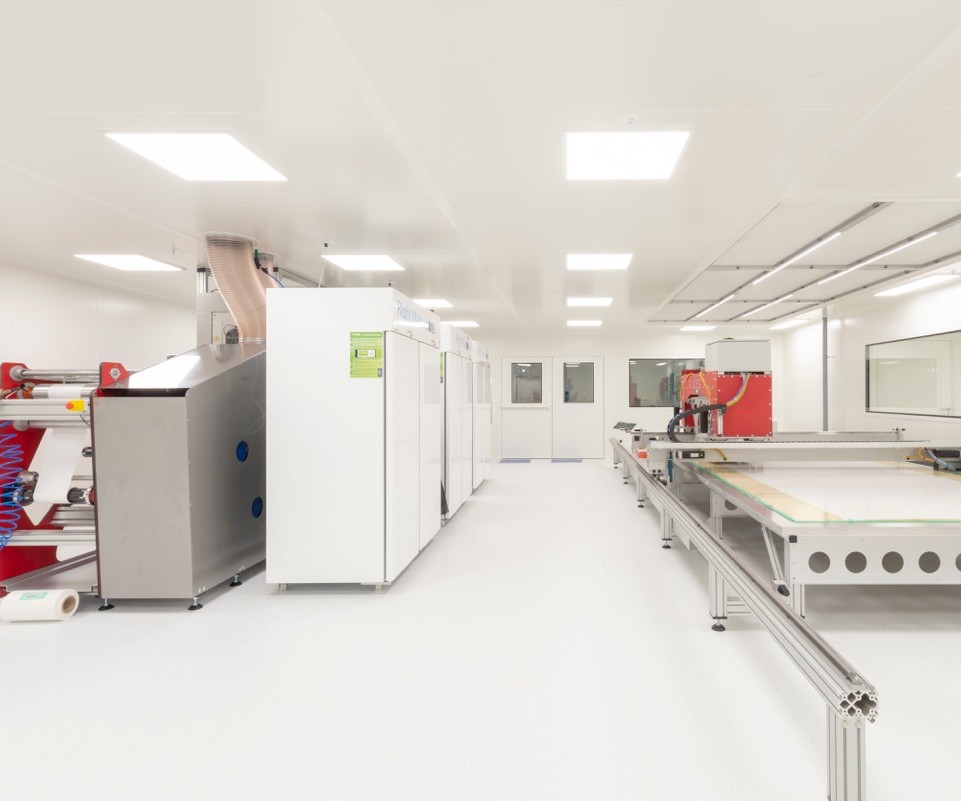
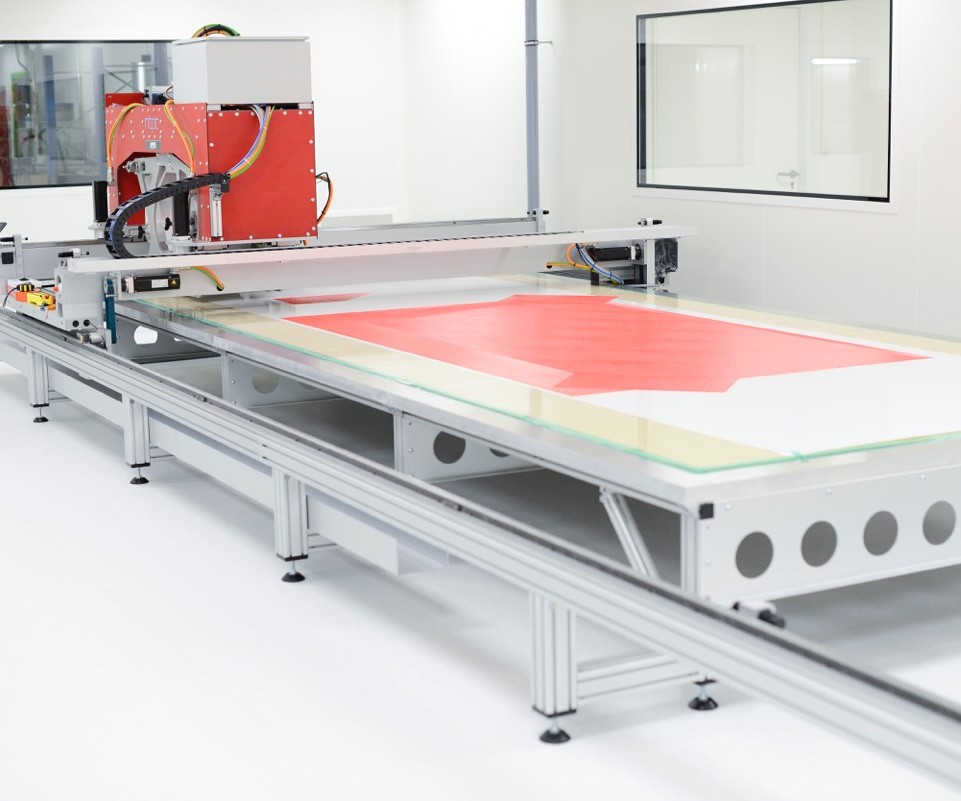
North Thin Ply Technology (NTPT, Renens, Switzerland), lightweight prepreg materials and process automation technology company, announced on Sept. 4 the opening of new laboratory facilities and a 300m2 cleanroom production area at its headquarters in Renens. This new development is a step forward in the long-term collaboration with GMV-Richard Mille, which includes the exclusive supply of lightweight Thin Ply materials and solutions to Richard Mille horology, jewelry and writing instrument designs.
The production facility is a state-of-the-art cleanroom dedicated to the manufacture of Quartz and other non-carbon fibre materials. The new NTPT-designed prepreg line features antistatic bars, a suction unit and a new creel system, to prevent contamination and to ensure optimum quality output. The new one cubic meter autoclave has a maximum pressure of 10 bars, a maximum temperature of 260˚C and the capacity to produce 7500km of fiber and more than 7 tonnes of Thin Ply composites annually.
The R&D equipment has been upgraded and includes: Differential Scanning Calorimetry (DSC), Dynamic Mechanical Thermal Analysis (DMTA), Viscometer, Microscopes, and an Instron mechanical bench test.
While exclusive to GMV-RM for horology, jewelry and writing instrument applications, NTPT welcomes inquiries from companies with other applications that also require a high level of contamination-free composite material.
Related Content
-
Glass fiber-reinforced Akulon RePurposed recyclate enables Ahrend sustainable office chair
Envalior 30% glass fiber-reinforced Akulon RePurposed material helps Ahrend achieve lighter task chair with closed-loop value chain and reduced emissions.
-
Dyneema launches woven composite fabric with UHMWPE fiber
Dual-layer structure of Dyneema core with a fully woven Dyneema face fabric resists abrasion and wear, offering durability under significant load conditions and after prolonged use.
-
Royal3D adapts DAC system inlet production to 3D printing process
Recycled glass fiber-reinforced PET-G and 3D printing expertise minimizes waste, reduces weight and lead times for Carbyon Go’s direct air capture (DAC) systems.


