
FAA investigates fresh concerns over 787 aircraft production
A Boeing engineer has claimed that the Dreamliner’s composite fuselage assembly process is flawed, raising questions about the aircraft’s structural integrity.


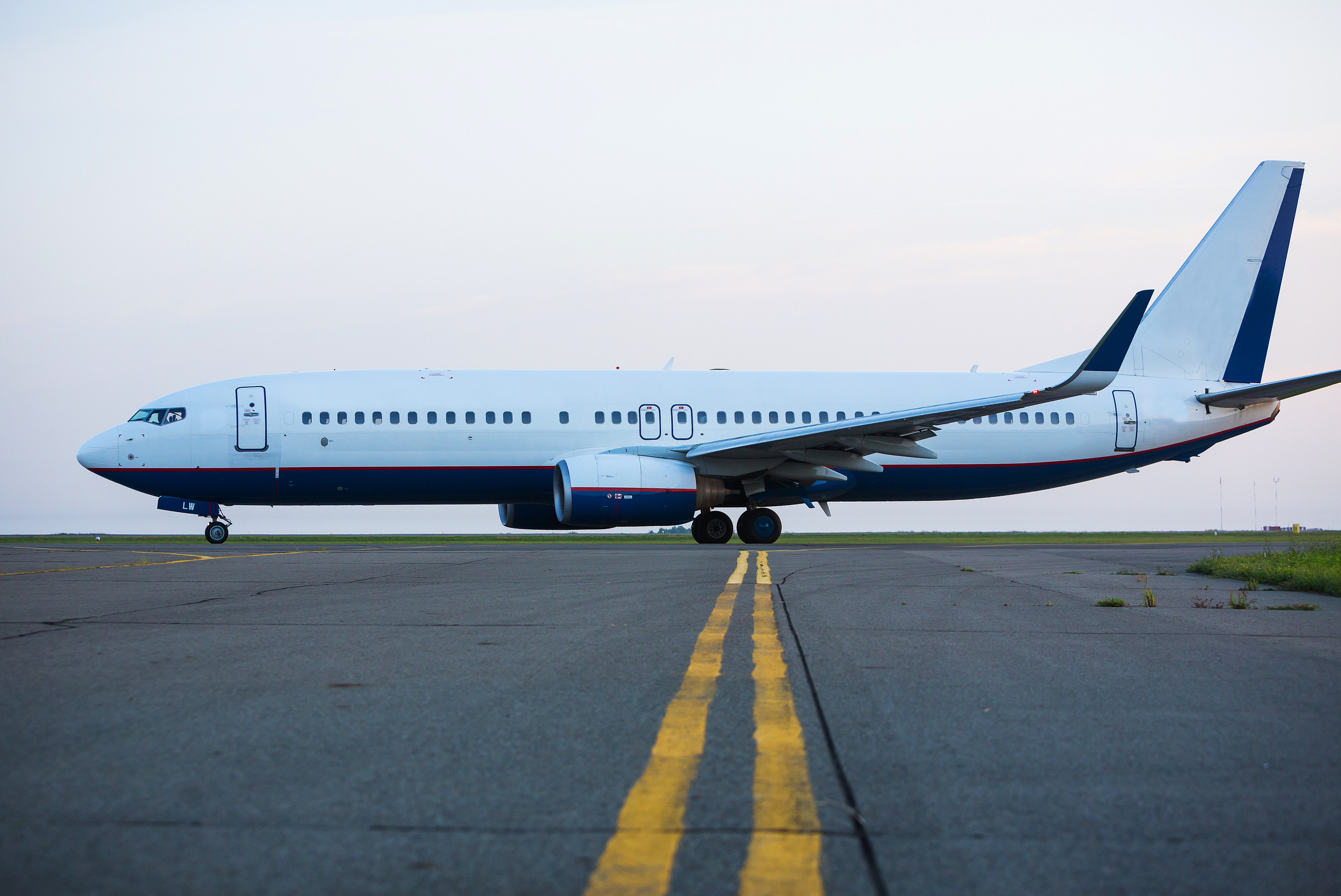
Source | Getty Images
Several notable news sources, including The New York Times, NPR and Reuters, have announced the Federal Aviation Adminstration’s (FAA) investigations into a whistleblower’s allegations regarding safety and quality concerns during the assembly of Boeing’s (Arlington, Va., U.S.) 787 and 777 jets.
Longtime Boeing engineer Sam Salehpour went public on April 9, with claims that he observed problems with how parts of the plane’s fuselage were fastened together. According to The New York Times, Salehpour publicly stated that “shortcuts that he believed Boeing was taking resulted in excessive force being applied to narrow unwanted gaps in the assembly connecting pieces of the Dreamliner’s fuselage … [leading to] deformation in the composite material.” This, in turn, would increase the effects of fatigue and lead to premature failure of the structure.


Boeing conceded manufacturing changes were made, but a spokesman for the company, Paul Lewis, said there was “no impact on durability or safe longevity of the airframe” after extensive testing of the aircraft.
Most sources agree that these allegations have come at a volatile time. Boeing has already come under fire this year for the Alaska Airline grounding, in which the aircraft manufacturer has been in discussions with Spirit AeroSystems to reacquire its former aerostructures unit after numerous reports surrounding quality issues. The New York Times also cites a host of other issues involving the 787, “including battery problems that led to the temporary grounding of 787s around the world and quality concerns that more recently caused an extended halt in deliveries,” not to mention additional issues at the Dreamliner facility in South Carolina.
Salehpour is expected to testify on Capitol Hill next week.
For more information, refer to Reuters’ report here and NPR’s announcement here.
Related Content
-
Aerospace prepregs with braided reinforcement demonstrate improved production rates, cost
A recent time study compares the layup of a wing spar using prepreg with A&P’s TX-45 continuous braided reinforcement versus traditional twill woven prepreg.
-
Low-cost, efficient CFRP anisogrid lattice structures
CIRA uses patented parallel winding, dry fiber, silicone tooling and resin infusion to cut labor for lightweight, heavily loaded space applications.
-
Plant tour: Collins Aerospace, Riverside, Calif., U.S. and Almere, Netherlands
Composite Tier 1’s long history, acquisition of stamped parts pioneer Dutch Thermoplastic Components, advances roadmap for growth in thermoplastic composite parts.


