
Circular Structures USA Inc. launches dedicated U.S. supply of flax fiber reinforcements
New East Coast workshop and distribution hub serves growing demand for localized access to biocomposites across marine, mobility and industrial sectors.


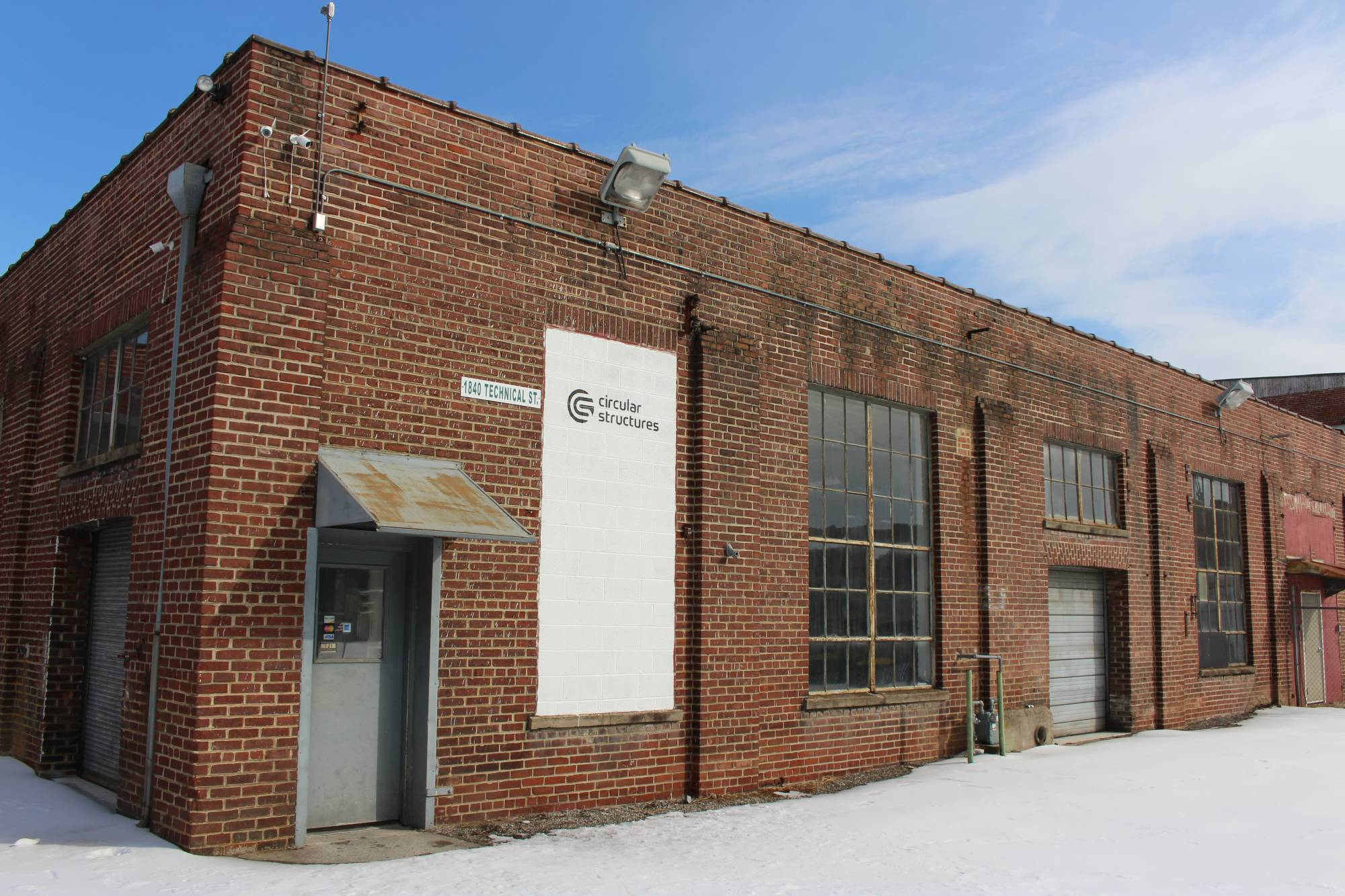
Virginia-based U.S. hub for flax fiber reinforcement. Source (All Images) | Circular Structures USA Inc.
Circular Structures USA Inc. (Roanoke, Virg.), the newly established U.S. subsidiary of Circular Structures GmbH (Bremen, Germany), announces the launch of its first dedicated U.S. distribution and development hub for high-performance flax fiber composite reinforcements.
Beginning in January 2026, Circular Structures USA Inc. is supplying biaxial and twill flax fabrics directly from its new showroom and technical hub in Roanoke, supporting manufacturers, designers and engineers seeking scalable alternatives to petroleum-based glass and carbon fibers.


“For years, biocomposites in the U.S. have been stuck in the prototype phase — not because the materials don’t work, but because the supply chain didn’t exist,” says Gresh Chapman, founder and CEO of Circular Structures USA Inc. “This launch is about making flax composites real and accessible for the U.S. industry.”
“Expanding into the U.S. has been part of our strategy for a long time,”adds Jan Paul Schirmer, CEO of Circular Structures GmbH. “We did not want to enter the market with a sales office or a marketing story, but with real infrastructure and real capability. In Gresh, we found someone who combines deep technical understanding with the entrepreneurial drive to build a new market from the ground up.”
Chapman’s engagement with natural fiber composites began at Brown University and the Rhode Island School of Design, where he worked on Formula racing projects as an industrial designer. While still a student, he competed in multiple design and business competitions focused on scaling biocomposites, including a $10,000 award that funded early imports and testing of flax reinforcements.
“The ideas were always ahead of the infrastructure,” Chapman believes. “Through Circular Structures, we now have the technical depth, manufacturing experience and European supply relationships to finally make this material viable for U.S. manufacturers.”
Circular Structures builds on more than a decade of applied biocomposite development within the Circular Structures ecosystem, which spans marine brands such as Greenboats, mobility platforms including Greenlander and industrial applications ranging from energy systems to architectural façades.
In addition to materials distribution, Circular Structures USA Inc. will serve as the North American base for U.S. spec development of the Greenlander Sherpa expedition vehicle and for future availability of Greenboats products in the U.S. market.
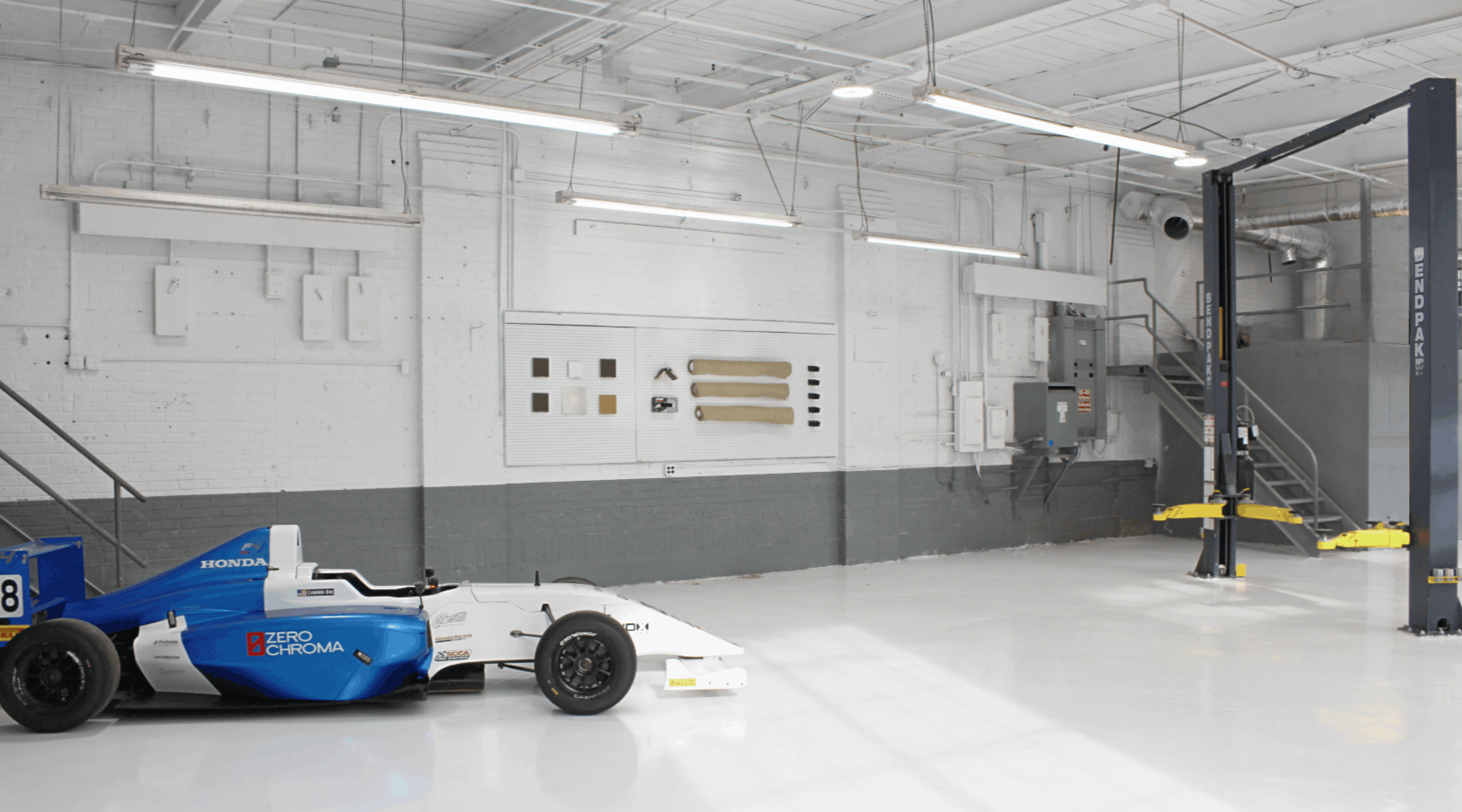
A full-scale Formula race car program is also under development as a material demonstrator. These vehicles serve as structural testbeds for flax-reinforced composites, validating durability, stiffness and life cycle performance under real-world loads.
“We’re also working with educators such as IYRS in Newport, Rhode Island, to equip the next generation with our sustainable toolkit,” adds Gresh.
While innovations like Greenlander and Greenboats remain as important showcase platforms, the primary mission of the U.S. operation is clear: to enable American manufacturers to adopt biocomposites at scale.
Related Content
-
“Structured air” TPS safeguards composite structures
Powered by an 85% air/15% pure polyimide aerogel, Blueshift’s novel material system protects structures during transient thermal events from -200°C to beyond 2400°C for rockets, battery boxes and more.
-
Carbon fiber, bionic design achieve peak performance in race-ready production vehicle
Porsche worked with Action Composites to design and manufacture an innovative carbon fiber safety cage option to lightweight one of its series race vehicles, built in a one-shot compression molding process.
-
Cutting 100 pounds, certification time for the X-59 nose cone
Swift Engineering used HyperX software to remove 100 pounds from 38-foot graphite/epoxy cored nose cone for X-59 supersonic aircraft.


