
Musings about heat shields
NASA’s Orion capsule employs an ablative material based on the same heat shield coating used for the Apollo missions.


Mock up of the Apollo capsule at the Armstrong Air & Space Museum in Wapakoneta, OH, US.
Photo | Scott Francis
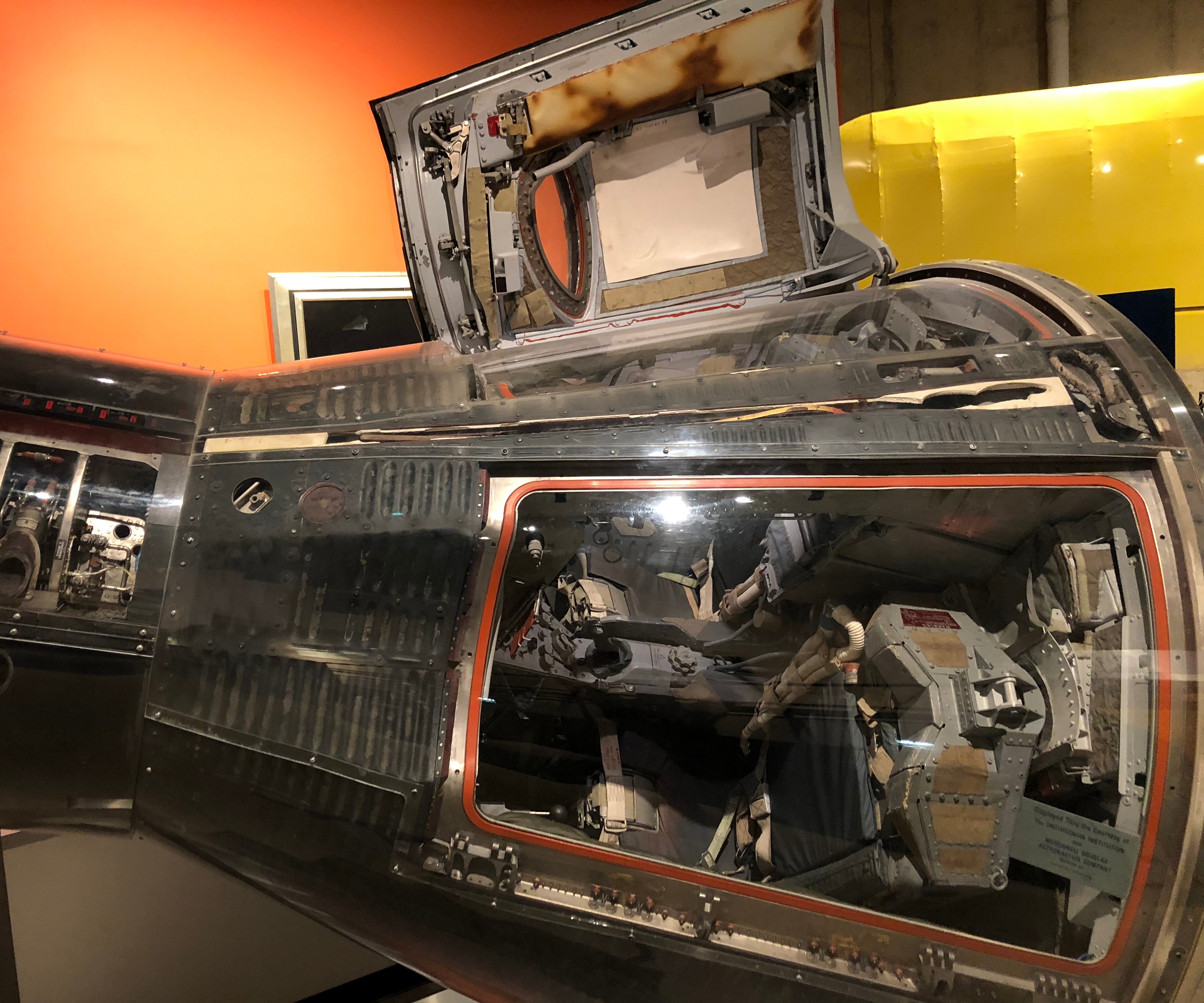
The Gemini Crew Module display at the Armstrong Air & Space Museum in Wapakoneta, OH, US.
Photo | Scott Francis
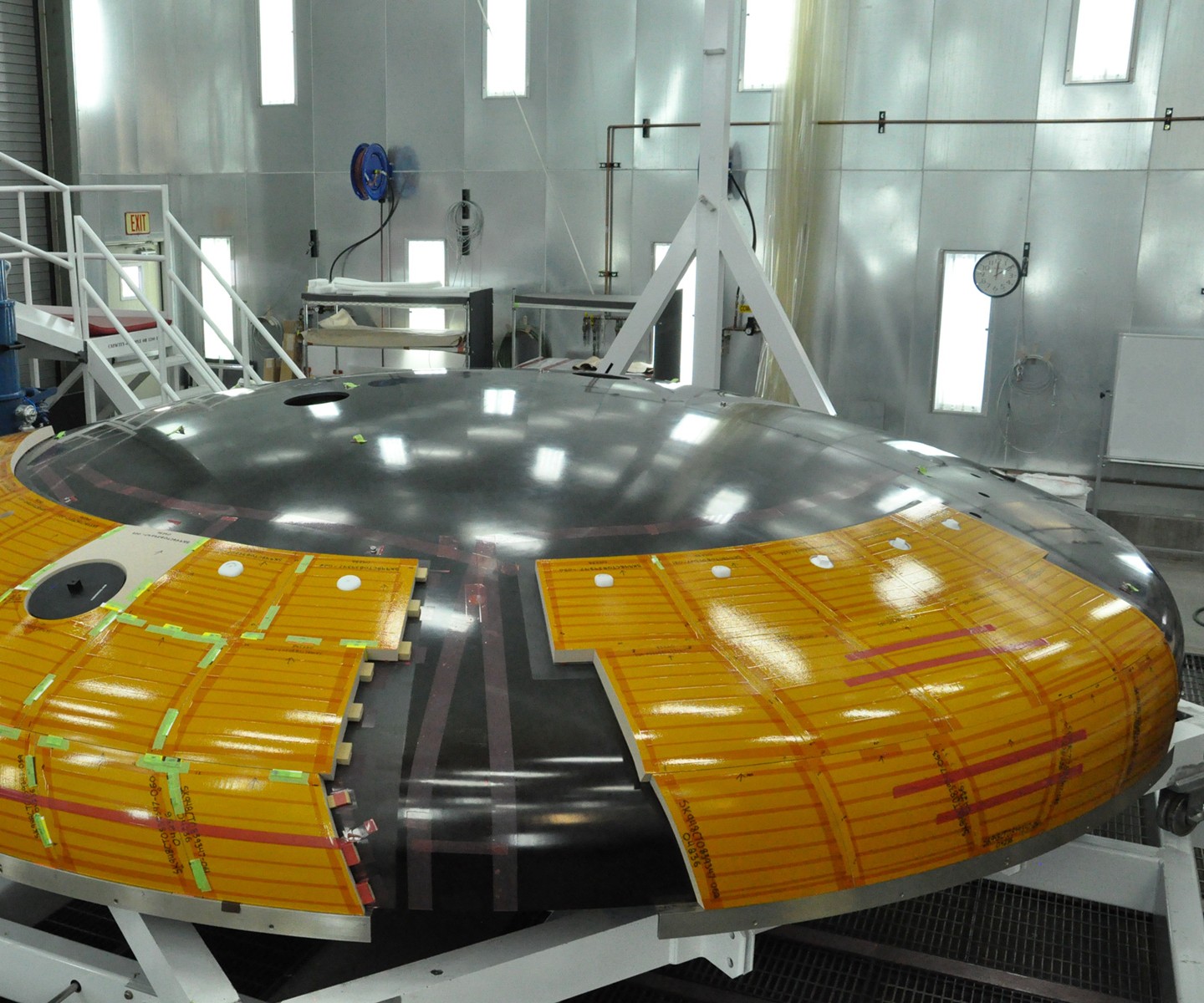
Blocks of Avcoat are bonded to Orion’s heat shield base which consists of a titanium truss covered with a carbon fiber composite skin.
Photo | NASA


While driving to SPE’s Automotive Composites Conference & Exhibition (ACCE) in Novi, MI, US, I stopped in Wapakoneta, OH to visit the Armstrong Air & Space Museum, as one does. During the drive I had been contemplating heat shield composition of various crew modules because just last week Lockheed Martin (Denver, CO, US) announced it had completed construction on the capsule structure for NASA's Orion Exploration Mission-2 (EM-2) spacecraft and shipped it to Kennedy Space Center in Florida for final assembly.
I knew I’d be traveling by the Armstrong Museum and wanted to stop because some of the technology used for the Apollo capsule was revisited for Orion – specifically Avcoat, an epoxy novolac resin with silica fibers in a fiberglass-phenolic honeycomb matrix. I was hoping there might be a capsule on display, but had to settle for a mockup. There was a Gemini crew module. Similarly, Gemini’s heat shield was made from a paste-like silicone elastomer material which was poured into a fiberglass honeycomb form.
While the Avcoat that is being applied to Orion is pretty much the same material that was applied to Apollo, the method of adhering the material to the craft itself for this mission has changed a bit. Traditionally a fiberglass honeycomb is bonded to the primary structure and the paste-like material is gunned into each cell individually. For the latest Orion capsule, Avcoat blocks are fabricated separately and then bonded to the heat shield base, which is constructed of a titanium truss covered with a carbon fiber composite substrate.
Still, it’s pretty cool to think that Orion has more in common with Apollo than just a similar look; and it’s amazing that a material developed decades ago is still in use today.
Related Content
-
TCR Composites introduces TR1116 snap-cure epoxy prepreg resin system
Designed for press-cure applications, the resin system is highlighted for its snap-cure capability and tailored properties.
-
From the CW Archives: Airbus A400M cargo door
The inaugural CW From the Archives revisits Sara Black’s 2007 story on out-of-autoclave infusion used to fabricate the massive composite upper cargo door for the Airbus A400M military airlifter.
-
Carbon fiber satellite arm reduces weight, simplifies assembly onto naval vessels
Satcom developer EM Solutions partnered with ACS Australia to replace an aluminum arm design with a 65% lighter, one-piece, corrosion-resistant carbon fiber/epoxy alternative.


