
Fiber Patch Placement at scale
SAMBA automated cells now offered in Step, Pro and Scale models, for 3D preforming dry fiber and prepreg at rates up to 15-100 kg/hr.


I have covered Fiber Patch Placement (FPP) for some time, but Cevotec has recently announced multiple developments that expand its capabilities in composites:
- Demonstration and market launch of SAMBA Pro at JEC 2017
- Exhibition of aircraft window frames at 2017 Paris Air Show
- Introduction of SAMBA Scale for high-volume preforming
- Launch of dry fiber cevoTape for AFP/ATL
- Demonstration of FPP using prepreg tape (e.g., HexPly M21 from Hexcel)
- Offering of cevoPads for localized reinforcement (e.g., holes, attachment points”)
 |
 |
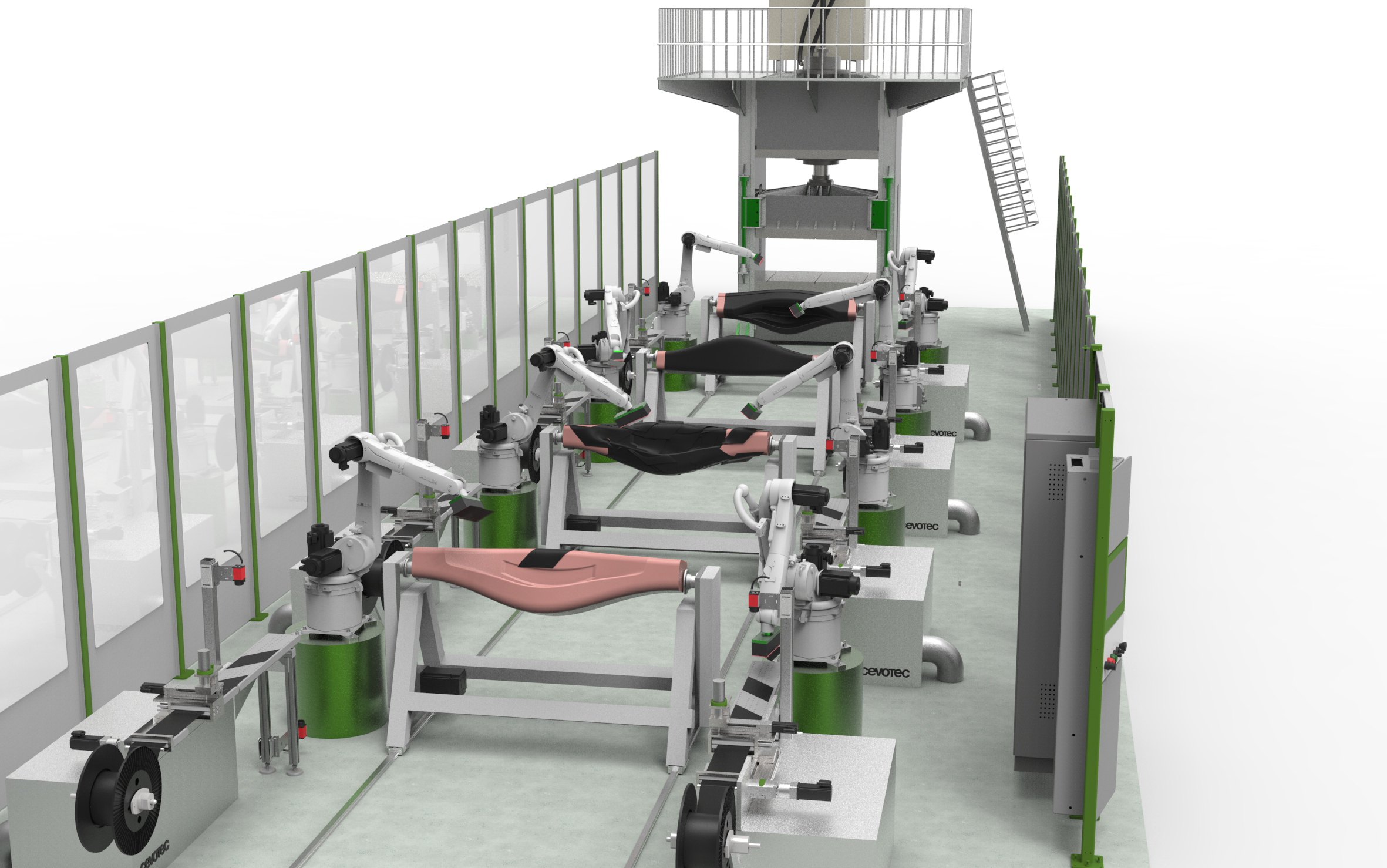
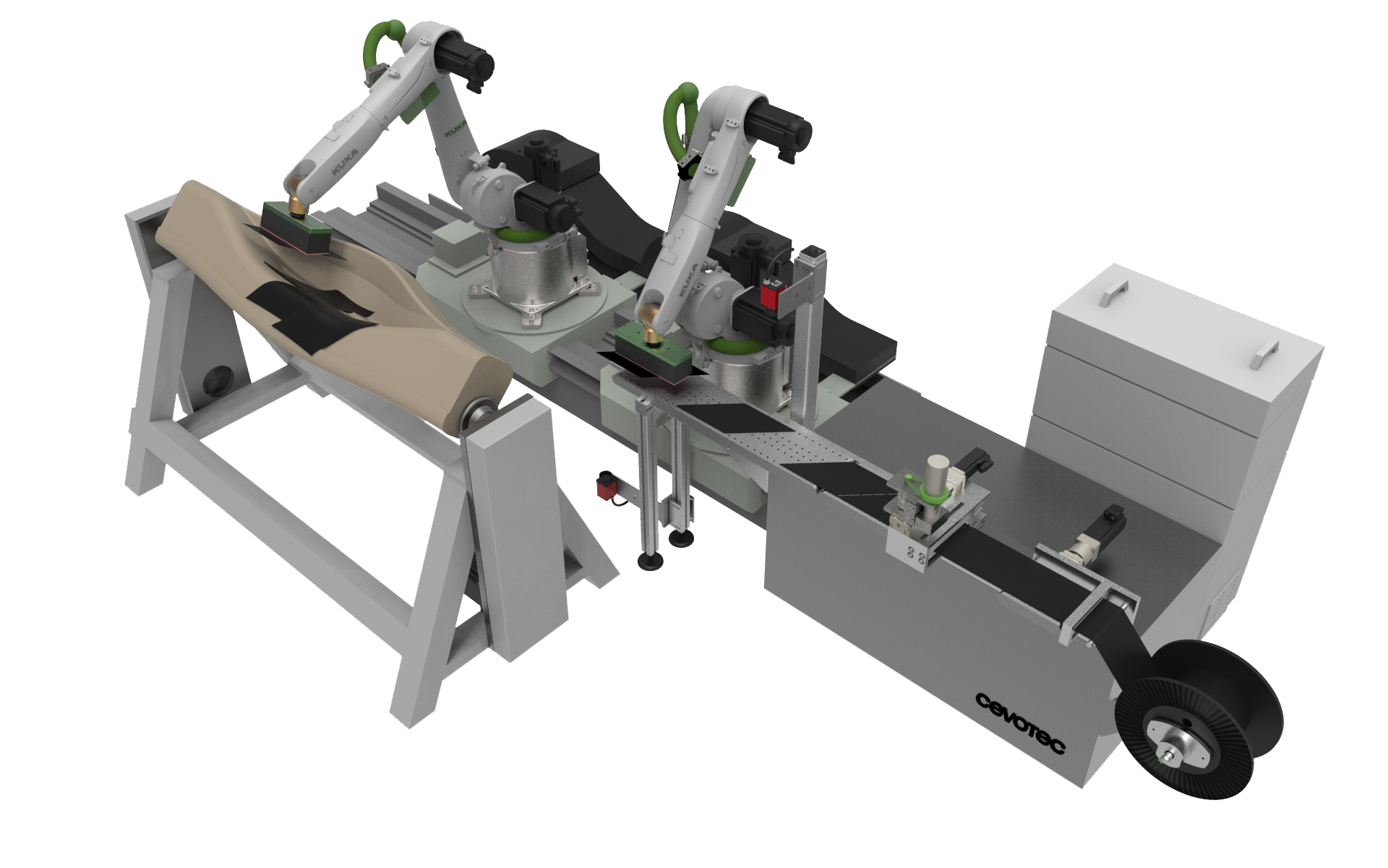
Automated production line using multiple Cevotec SAMBA Scale preforming cells (left) for high-volume composites preforming and cevoTape dry fiber and prepreg unidirectional tape (right) for FPP, AFP and ATL processes. SOURCE: Cevotec.
SAMBA launch and Window Frames
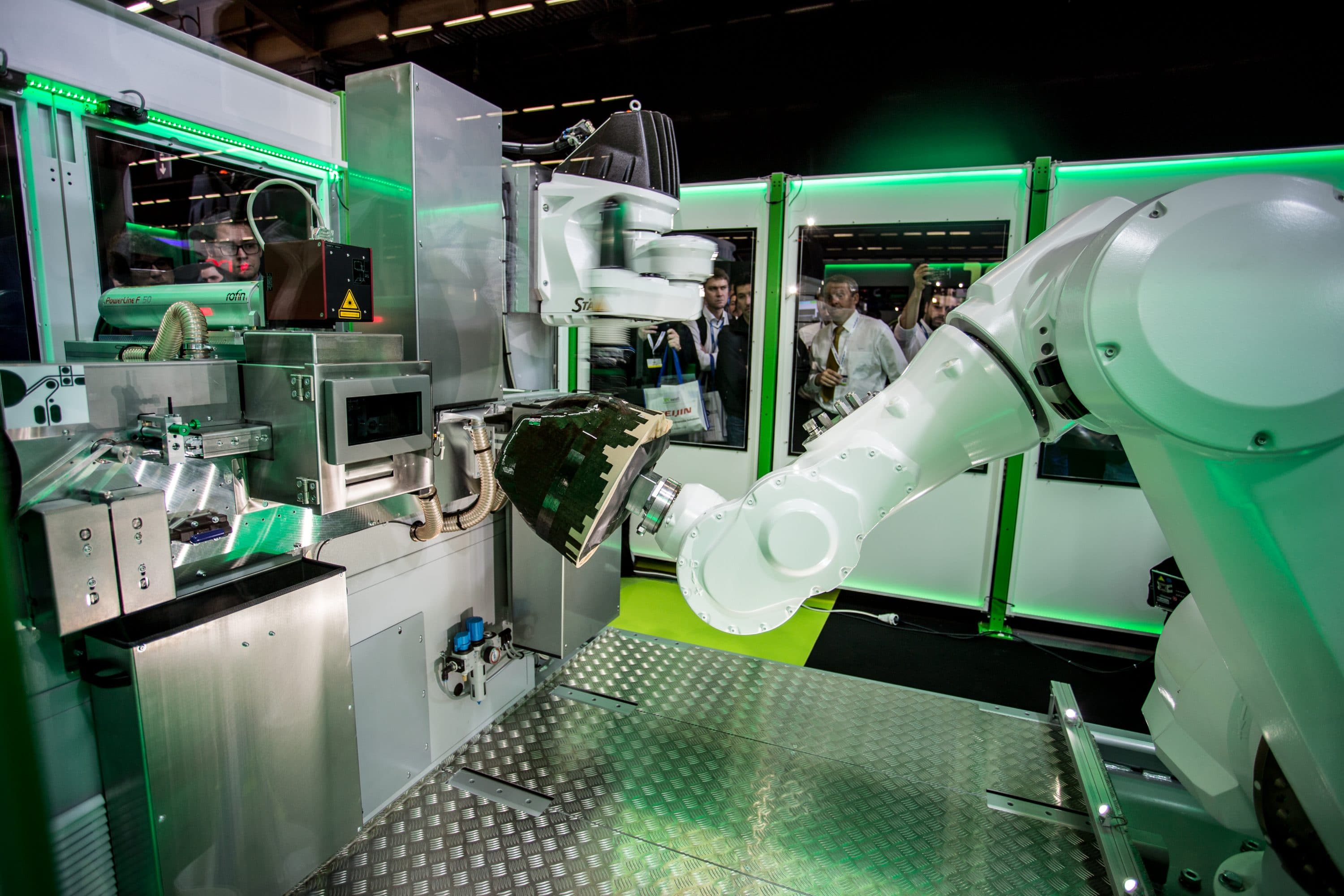
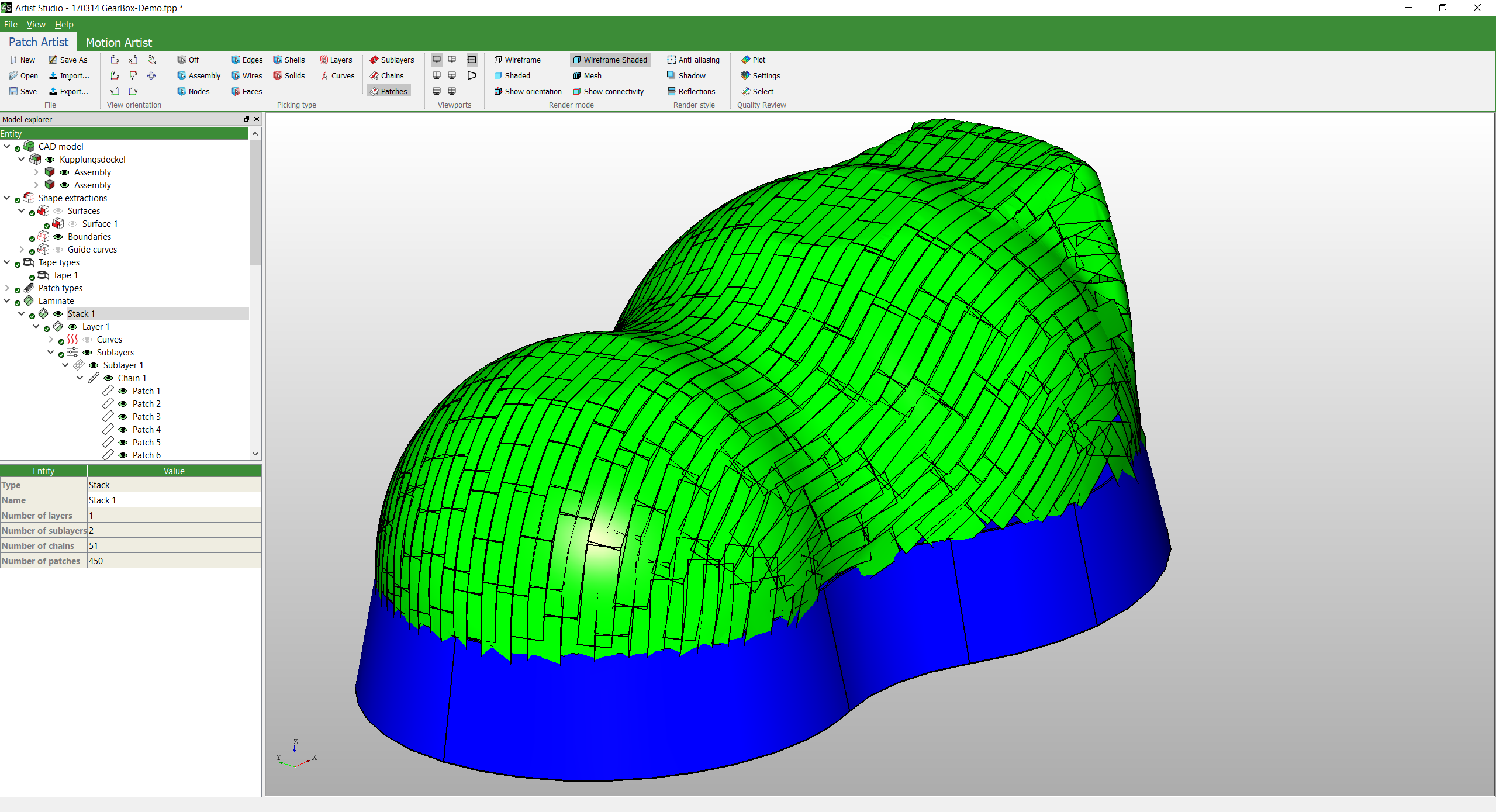
Cevotec attracted quite a crowd to its live demonstration of the automated SAMBA FPP preforming cell at JEC World 2017 (Mar 14-16, Paris, France). “After several sneak previews with our system in a VR [virtual reality] environment, people for the first time could watch SAMBA integrally creating a complex fiber preform: an aerospace gearbox with concave and convex surfaces, including 90° angles and small radii”, said Felix Michl, Cevotec CTO. Highlights were the speed of one patch per second, the accuracy of the layup and the advantages of the built-in CAD-CAM software ARTIST STUDIO for digital product development.
 |
 |
 |
|
Cevotec’s demo of its SAMBA Pro automated preforming cell at JEC 2017 drew crowds and interest. ARTIST STUDIO, its built-in CAD-CAM software, augments the cell by enabling very fast digital product development and iteration. SOURCE: Cevotec.
Three months later, Cevotec showed the world’s first FPP aircraft window frame at the Paris Air Show. Cevotec managing director Thorsten Groene describes the part as biaxially curved, requiring a fiber architecture with constant radial and circumferential orientation. “There are various ways of producing this part”, explains CTO Michl. “But most require multiple bindered carbon deposition and preforming steps, resulting in an expensive and slow process which is not optimized for efficiency.”
Using SAMBA, Cevotec can eliminate several production steps and manual processes, speeding the production cycle time and cutting cost by up to 50%.
“The resulting composite part also exceeds the strength and load-bearing capacity of metal at a fraction of the weight while enabling geometries that are not possible or are too labor- and cost-intensive with traditional composite technologies,” says Groene.
 |
 |
 |
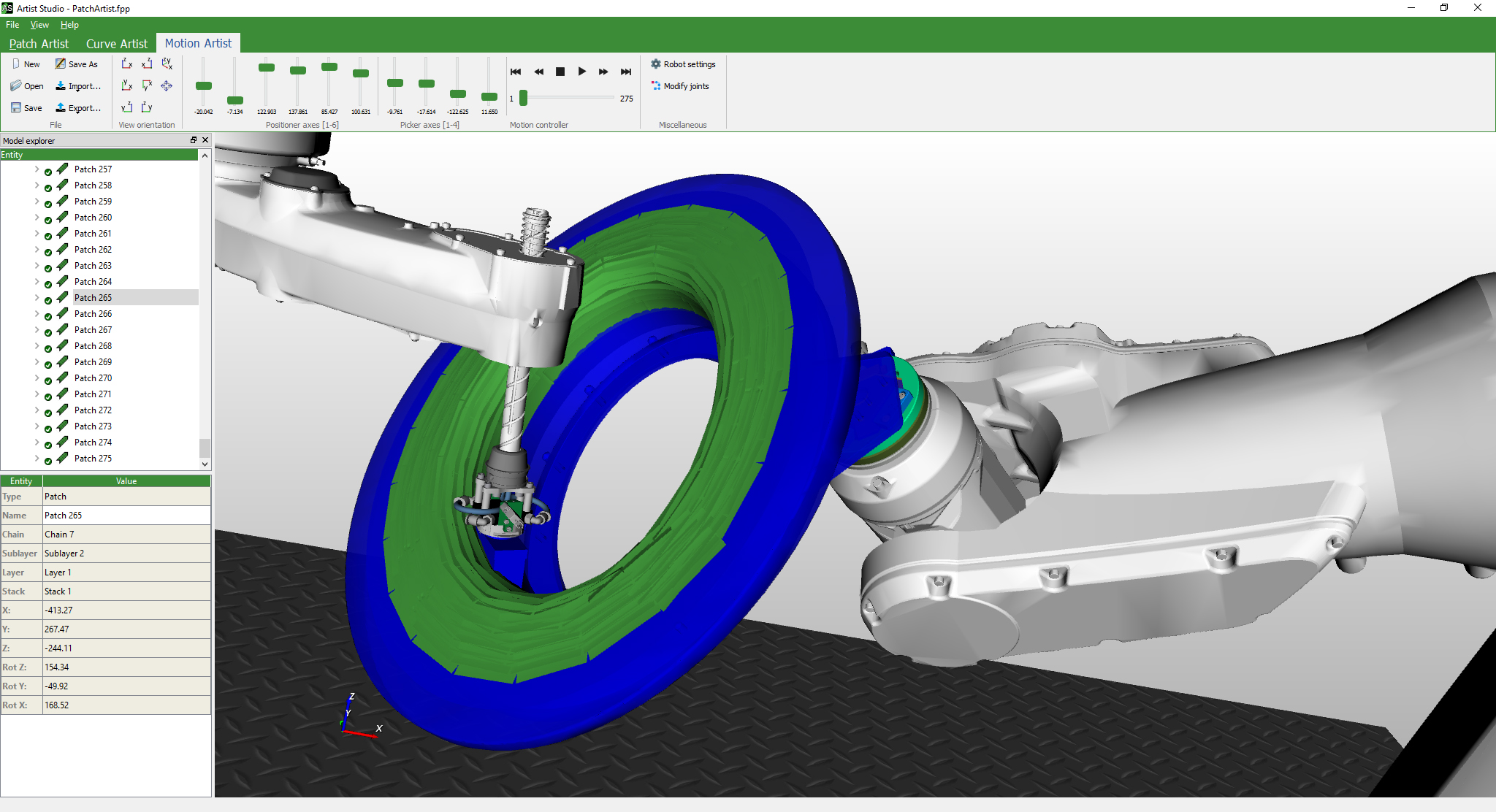
Cevotec displayed world’s first FPP aircraft window frames at the 2017 Paris Air Show and has now developed SAMBA automated preforming cells that can process prepreg.
SOURCE: Cevotec.
FPP at Scale
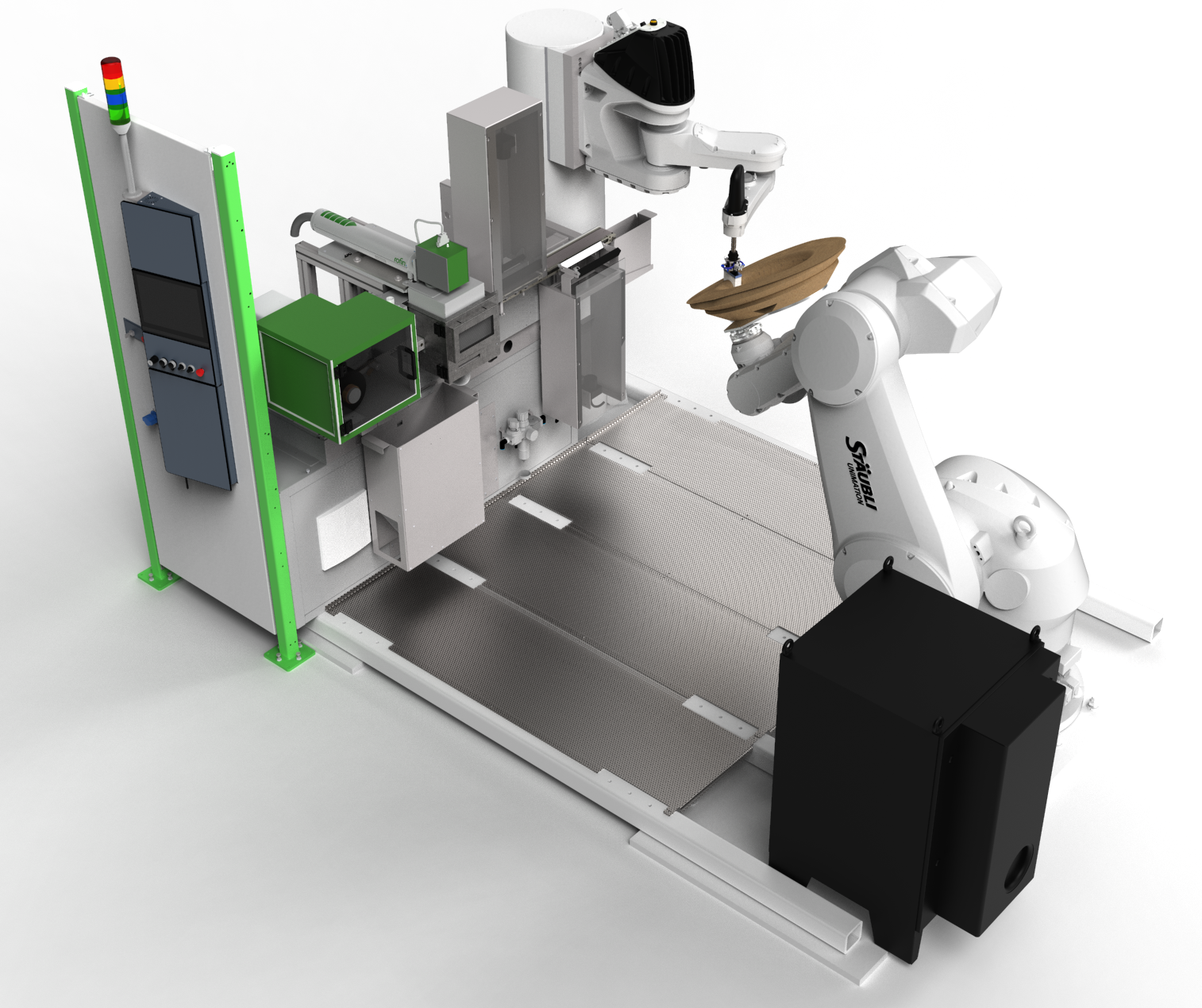
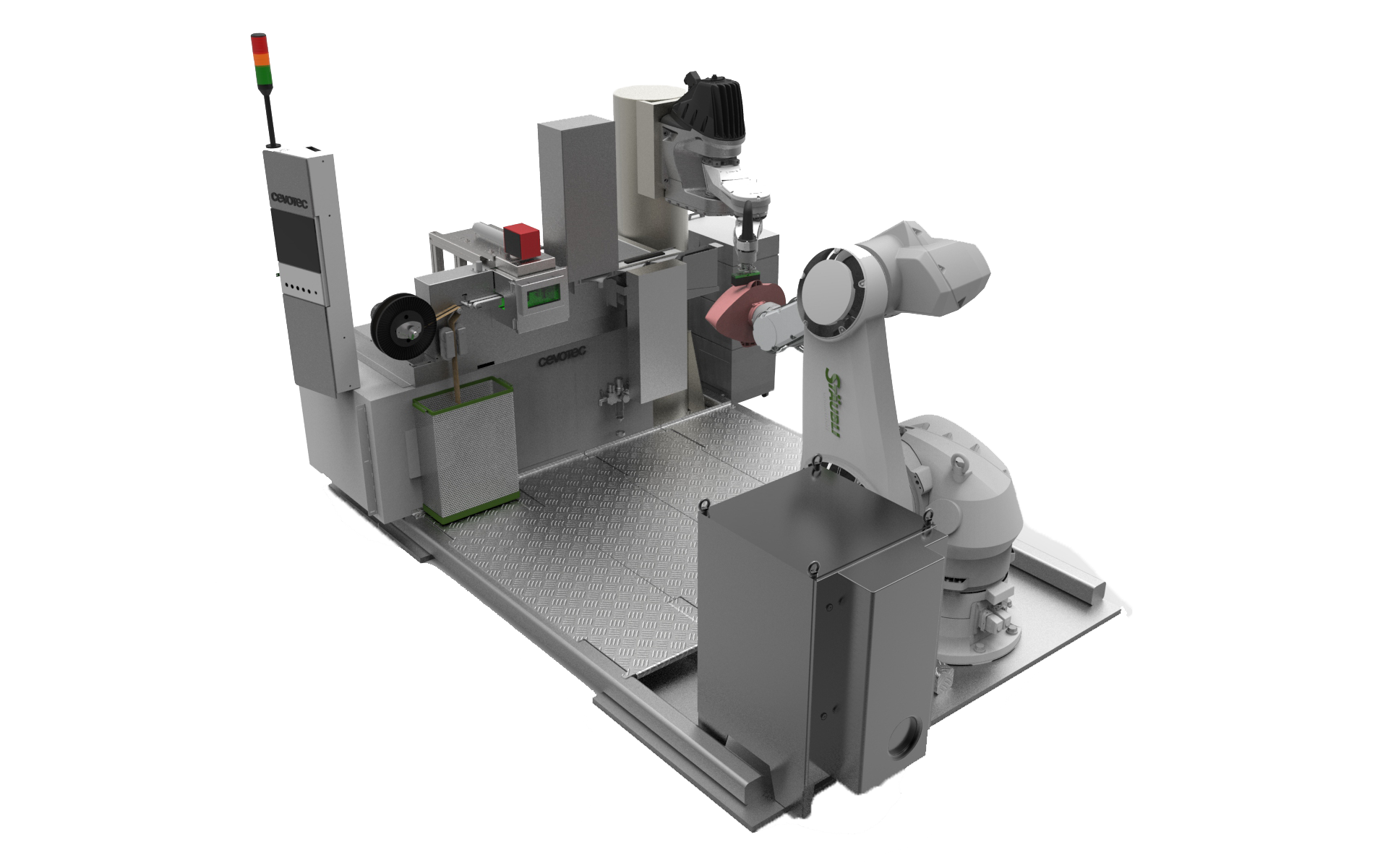
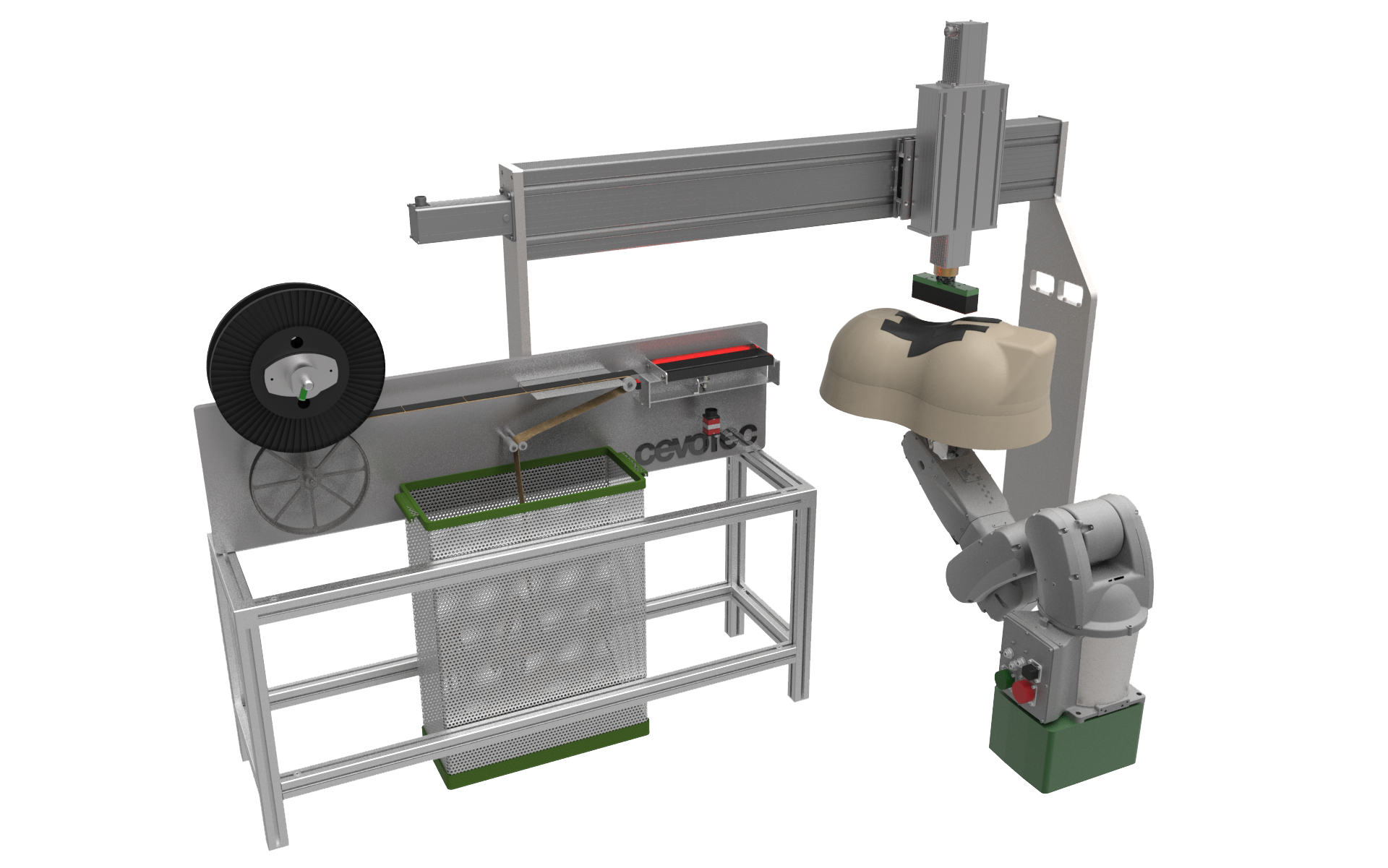
The SAMBA automated preforming systems is now available at three scales to meet a wide range of production settings and requirements. The SAMBA Pro is targeted for flexible, high-volume batch production of composite parts, while SAMBA Scale enables high-volume production with material placement up to 15 kg/hr. Combining multiple SAMBA cells enables a throughput up to 100 kg/hr, even for highly complex 3D-preforms. Multiple patch robots also enable hybrid components, for example using primarily glass fiber with carbon tape placed only where needed for additional strength and/or stiffness.
Cevotec now can process this type of preform with prepreg.
 |
 |
 |
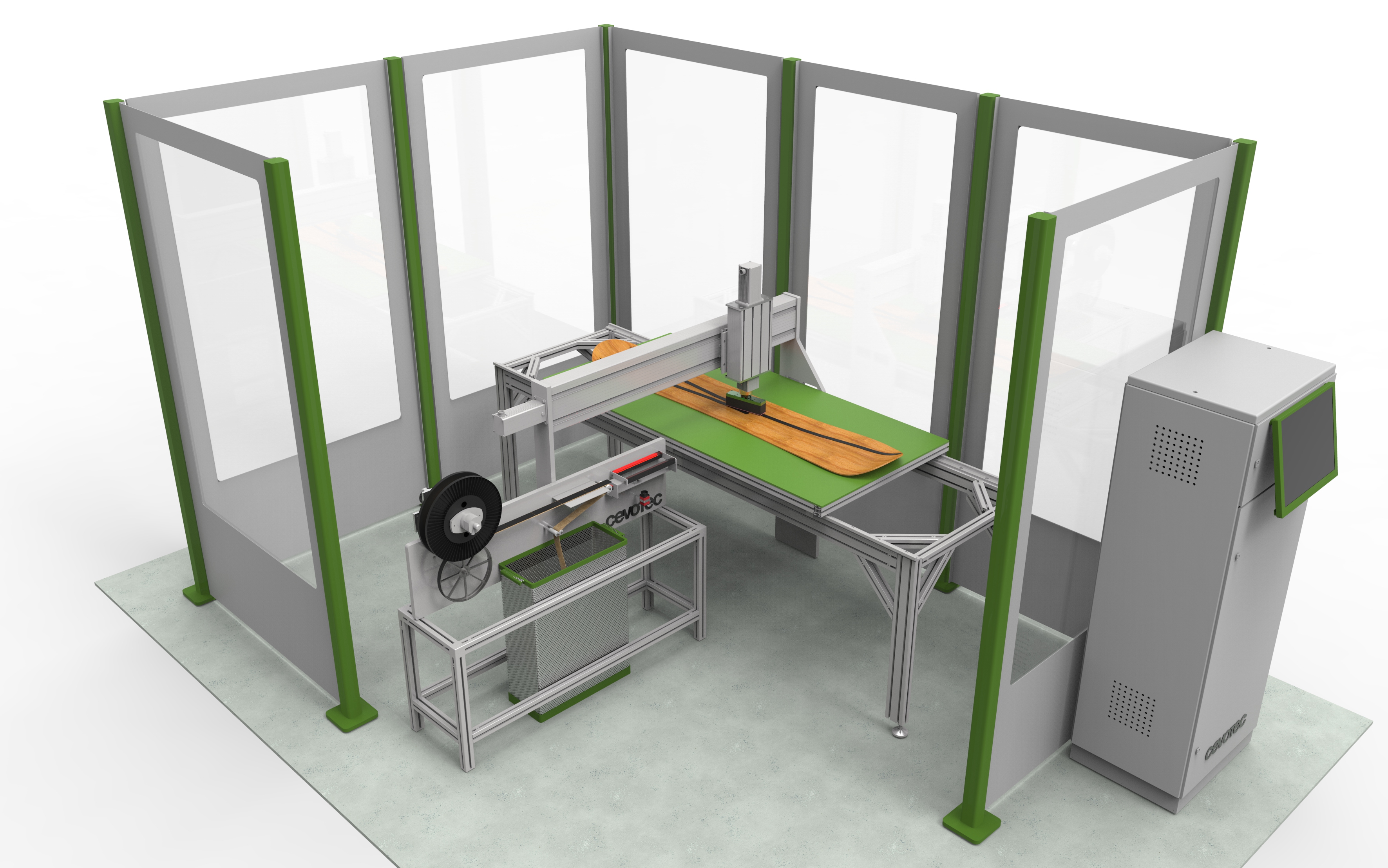 |
SAMBA Step is tailored for small-scale production, prototyping and R&D, with a corresponding lower price, and is available as a 3D or 2.5D unit.
“Benefits of Virtual Product Development”
Cevotec has also published a white paper detailing the benefits and possibilities of virtual product development for lightweight composite parts based on extensions of its SAMBA system and ARTIST STUDIO CAD-CAM software. The software is being equipped with an interface to standard FEM software, enabling the calculation and simulation of mechanical properties of patch laminates.
 |
 |
 |
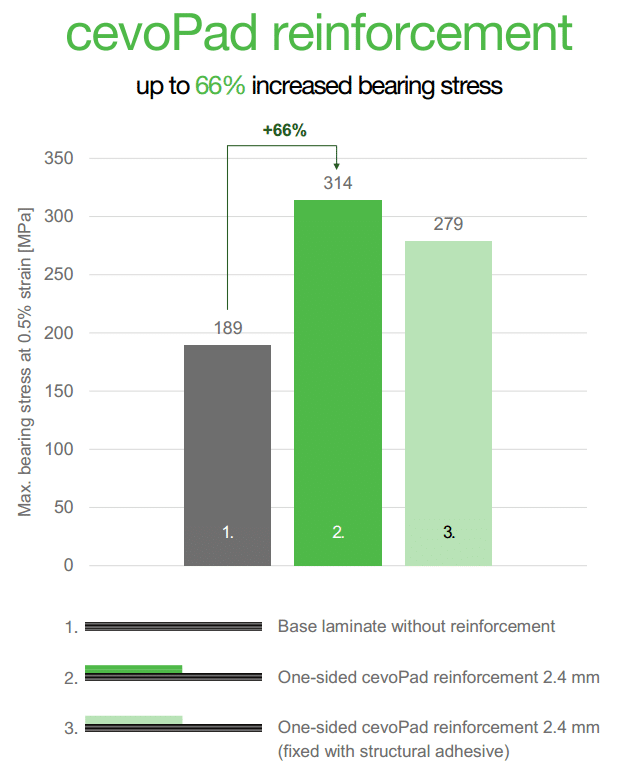 |
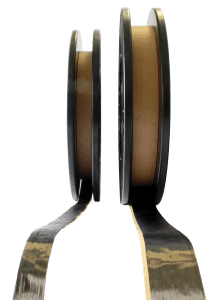
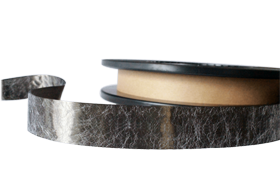
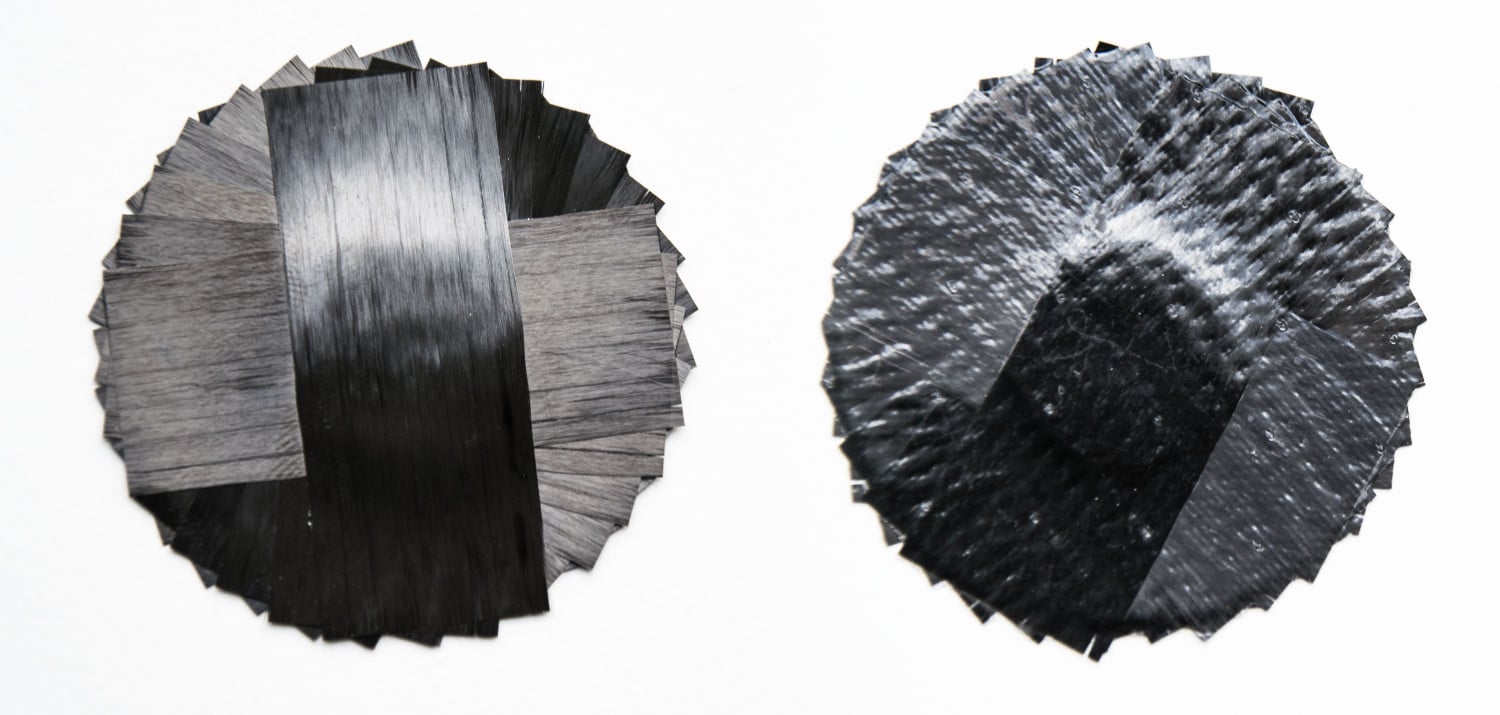
cevoPads provide localized reinforcement around holes and attachment points, while cevoTape offers high-quality preform material input for SAMBA cells as well as AFP and ATL. SOURCE: Cevotec.
cevoTape and cevoPads
As the right fiber is crucial for the quality of a composite part, Cevotec has launched its own high-quality dry carbon fiber tape, which is also well-suited for other fiber placement processes like AFP and ATL. Meanwhile, cevoPads are available in prepreg or binder-fixed, dry fiber — both stable and easy to handle in further processing. Different thicknesses are available and individually-tailored reinforcement patterns are possible.
Cevotec will be exhibiting at JEC World 2018 (March 6-8, Paris, France) in Hall 5A, P66.


Related Content

Braided thermoplastic composite H2 tanks with co-consolidated molded boss areas to fit EV battery space
BRYSON project demonstrates possible designs, automated manufacturing and low permeability concepts, including EVOH liner and novel PPA matrix.
Read More
Sinonus launches energy-storing carbon fiber
Swedish deep-tech startup Sinonus is launching an energy-storing composite material to produce efficient structural batteries, IoT devices, drones, computers, larger vehicles and airplanes.
Read More
TPI manufactures all-composite Kenworth SuperTruck 2 cab
Class 8 diesel truck, now with a 20% lighter cab, achieves 136% freight efficiency improvement.
Read More
Composites end markets: Automotive (2025)
Composites manufacturing intelligence drives circular economy solutions as automotive industry balances technical demands with sustainability mandates.
Read MoreRead Next

Post Cure: CFRP mainframe, modern manufacturing techniques pioneer next-generation rigid airships
Advanced composites enable the revival of rigid airships in LTA Research's 400-foot-long Pathfinder 1.
Read More
Sentherm conductive polymers match aluminum thermal performance, cut weight
Tailored filler networks, anisotropic material design and manufacturing process control achieve hybrid polymers for EVs, batteries and other automotive-related electronics with 95% of aluminum’s thermal performance and 25-45% reduced component weight.
Read More
Bonded fastening meets the digital factory
Automation and XR tools aim to scale adhesive fastening for composites at next-gen aerospace production rates.
Read More